
Clear Warning Signs That Your Pool Surface Needs Attention
If your pool surface feels rough, shows stains that do not brush away, has small cracks, or starts losing plaster in spots, it may be time for pool plastering. These signs often mean the finish is wearing out and the surface is no longer protecting the pool as it should. In Torrance, CA, heat, sun, water chemistry, and age can all speed up this kind of wear.
Quick Diagnosis Summary
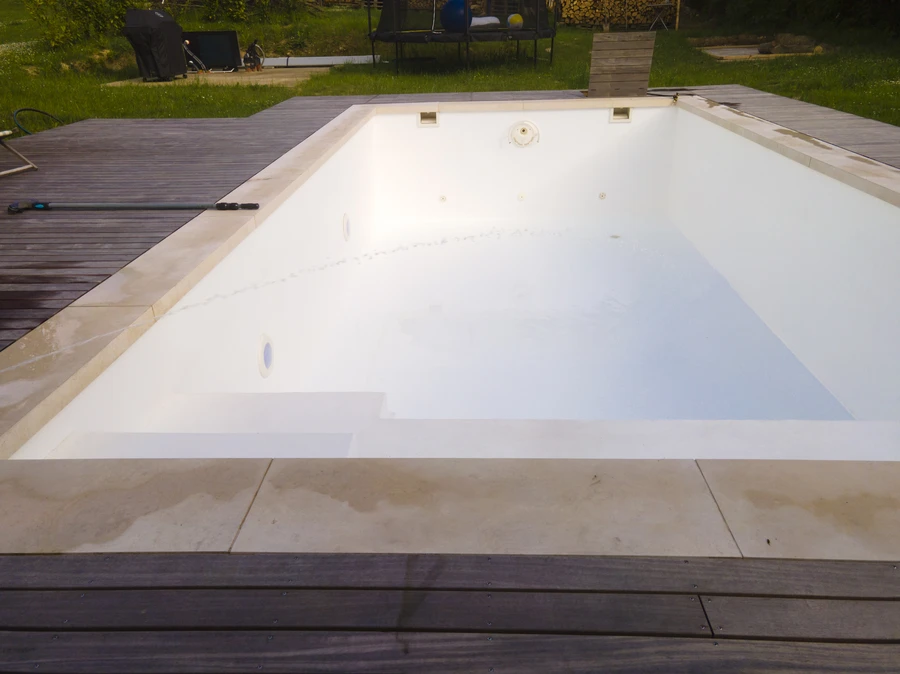
Most pools do not need a full repair the moment they look dull. Still, some changes should not be ignored. A faded color, chalky dust, rough steps, and tiny pits in the finish can point to plaster breakdown. When damage spreads, the pool can become harder to clean and less safe for swimmers. Pool plastering helps restore the smooth finish and protect the shell under it.
Common Symptoms
Many pool owners spot the same surface problems before they call for help. Some signs are easy to see. Others are easier to feel when you brush the walls or walk on the steps.
- Rough spots that scrape feet or hands
- Stains that stay after cleaning
- Cracks or small lines in the surface
- Peeling, flaking, or chips in the finish
- Discolored patches or uneven color
- Dusty white material collecting on the floor
- Pits or tiny holes in the plaster
- Areas that look worn thin near steps or corners
If more than one of these signs shows up at the same time, the finish may be near the end of its life. A worn surface can also make water balance harder to manage.
Likely Causes
Pool surfaces wear down for many reasons. Age is one of the biggest. Over time, plaster loses its smooth feel and starts to break down. Water chemistry also plays a big part. Water that is too acidic or poorly balanced can eat away at the finish. Heavy brushing with the wrong tools can add wear. Sun exposure, changing temperatures, and frequent use can also shorten surface life.
Sometimes the issue is not just age. Poor startup care after a past refinish job can weaken the surface early. Low-quality materials or rushed work may also lead to early cracking or mottling. In some cases, the problem may connect to the broader service category, even if the first signs seem small.
What to Check First
Before you assume the whole pool needs new plaster, do a few basic checks. This can help you tell the difference between a simple cleaning issue and a true surface problem.
- Run your hand across the steps and shallow end walls.
- Brush stained areas to see if marks lift off.
- Look closely for chips, pits, or flaking spots.
- Check if white dust returns soon after vacuuming.
- Test pool water balance or have it tested.
- Note where damage is worst, such as near tiles or drains.
If the surface still feels rough after cleaning, or if the same dust and staining keep coming back, the issue may be deeper than dirt or algae.
Safe Fixes Vs Pro-Level Fixes
Some pool care steps are safe for most owners. Regular brushing, water testing, and stain checks can help you keep track of surface health. You may also be able to remove minor scale buildup with the right tools and gentle cleaning methods.
But surface loss, cracking, flaking, and deep staining are different. These often need a trained crew. Pool plastering is not a small patch job in many cases. A professional needs to inspect the shell, prep the old surface, apply new material correctly, and manage cure time. Poor repair work can lead to uneven texture, short finish life, and more repairs later.
If you see structural cracks, hollow spots, or large peeling areas, skip the do-it-yourself route. Those problems can grow fast once water gets into weak areas.
Prevention Tips
You can help your plaster last longer with steady care. Good habits lower the chance of early wear and keep the pool looking clean and smooth.
- Keep water chemistry balanced all season
- Brush the pool with the right type of brush
- Clean stains early before they set deep
- Avoid sharp metal tools on the surface
- Watch for small cracks before they spread
- Schedule routine inspections for older pools
- Do not drain the pool without expert advice
It also helps to pay attention after storms, long heat waves, or long periods of heavy use. Those times can put extra stress on the finish.
Final Recommendation
If your pool looks dull, feels rough, or keeps showing stains and plaster dust, it is smart to have it checked before the damage gets worse. We can inspect the surface, explain what is happening, and talk through the next step. If you are in Torrance, CA, call (310) 951-9631 for help. At JC Swimming Pool & Spa Service, we are ready to help you decide if pool plastering is the right fix for your pool.