
How Long a Pool Surface Usually Lasts and What Affects It
Pool plastering usually lasts about 7 to 15 years, but the real life of the surface depends on water care, weather, use, and the quality of the install. Some pools show wear sooner. Others stay in good shape longer with steady care. If you want your pool finish to last, it helps to spot early signs of trouble and fix small issues before they grow.
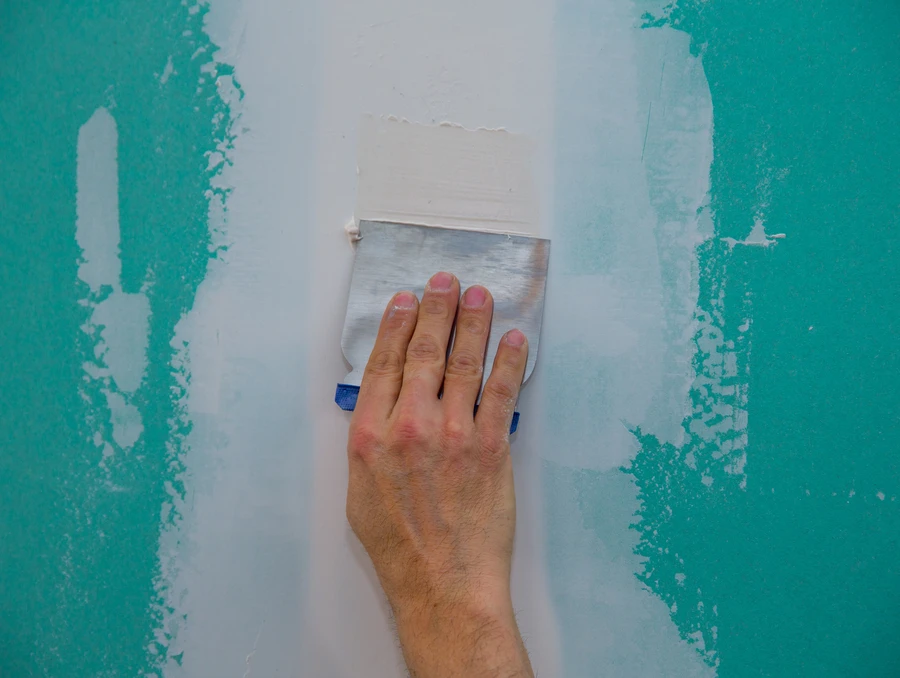
Why Prevention Matters
Your pool surface does more than make the pool look nice. It helps protect the shell under it. When plaster starts to wear down, water can affect the surface more easily. Rough spots, stains, and small cracks can show up. If those signs are ignored, repairs can get harder later. Good upkeep can help pool plastering stay smoother, cleaner, and stronger for more years.
Early Warning Signs
Most pool owners do not wake up one day and find the whole surface failing at once. The signs usually build over time. A plaster finish may start to feel rough on feet or hands. You may notice fading color, stain marks, tiny pits, or hairline cracks. In some cases, chips form around steps, corners, or the waterline. If water chemistry stays off balance for too long, the finish can wear faster than expected.
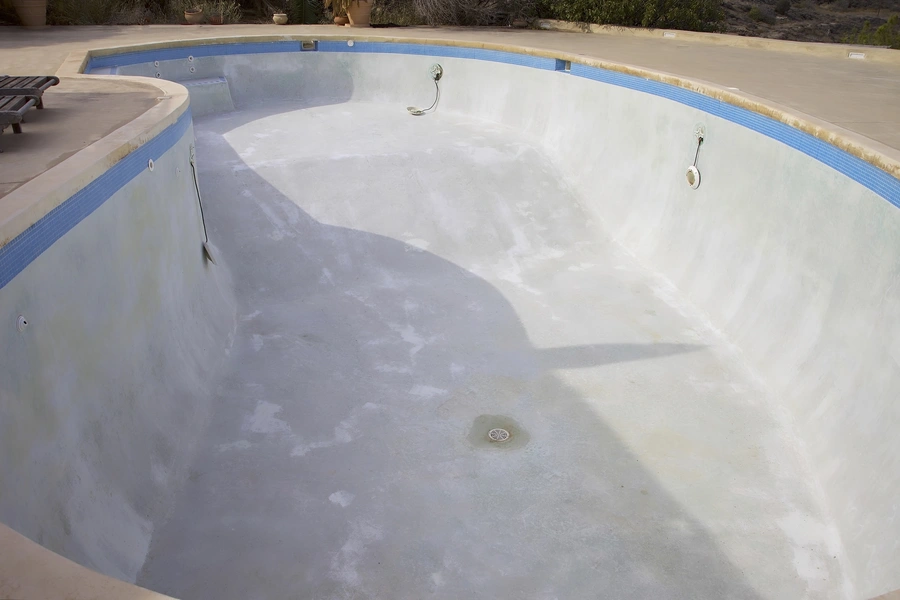
- Rough areas that scrape skin
- Stains that do not brush away
- Small cracks or flaking
- Pitting or tiny holes in the surface
- Discoloration around the waterline
- Loose material coming off the finish
These signs do not always mean the pool needs a full replaster right away. Still, they do mean it is time to inspect the pool more closely.
Seasonal or Routine Checklist
A simple routine can help the surface last longer. This matters in both warm and cool seasons. A pool that is used often needs regular checks, not just quick cleaning. If your service category includes surface care or general plaster and finish work, the same idea applies: small routine steps can help stop bigger surface problems.
- Test the water on a steady schedule.
- Keep pH and calcium levels in a safe range.
- Brush the plaster to remove scale and dirt.
- Clean tile lines so buildup does not spread.
- Watch for leaks that may affect the surface.
- Check steps, benches, and corners for wear.
- Schedule inspections when signs of damage appear.
For example, a family pool used every day in summer may need more brushing and more water checks than a pool used only on weekends. Heavy use does not ruin plaster by itself, but it can speed up wear when paired with poor water care.
Best Practices for Long-Term Results
The longest-lasting pool plastering usually comes from a mix of good installation and smart upkeep. Balanced water is one of the biggest factors. Water that is too acidic can wear down the finish. Water with too much calcium can leave scale and rough patches. Gentle brushing helps keep the surface cleaner without causing damage. It also helps to fix leaks and equipment problems early, since poor circulation can affect water balance across the pool.
Another smart step is to keep records. Write down when the pool was plastered, when stains first showed up, and how often the water needed correction. This makes it easier to spot patterns. If the finish starts failing much earlier than expected, those notes can help a contractor find the cause.
Climate can also play a part. Strong sun, long swim seasons, and shifting temperatures can all affect surface aging. In places like Torrance, CA, local conditions may add stress to the finish over time. A pool that gets full sun most of the day may show fading sooner than one with more shade.
What Not to Do
Some common mistakes can shorten the life of plaster. Harsh cleaning tools can scratch the finish. Ignoring water balance for weeks at a time can wear the surface. Draining a pool without the right plan can also create problems, especially if the shell or finish is already weak. Another mistake is waiting too long after early signs begin. A few stains or rough spots may seem small, but they can point to larger wear below the surface.
- Do not use overly hard metal tools on the finish
- Do not skip water testing for long periods
- Do not assume every stain is only dirt
- Do not ignore chips near steps or edges
- Do not delay expert help when damage spreads
When to Schedule Professional Help
There comes a point when routine care is not enough. If the surface feels rough in many areas, keeps staining fast, or shows widespread cracking, a professional inspection makes sense. The same goes for plaster older than ten years that is showing clear wear. A trained crew can tell the difference between normal aging and signs that point to a bigger repair. They can also tell whether the pool needs patching, a more detailed surface treatment, or full pool plastering.
It also helps to call when the problem is hard to explain. Maybe the water is balanced, but the finish still looks dull and worn. Maybe one end of the pool feels much rougher than the other. Those are signs that the issue may go beyond basic cleaning or chemical care.
Get Clear Answers Before the Surface Gets Worse
If you are seeing wear in your pool in Torrance, CA, reach out for a closer look before small surface issues spread. At JC Swimming Pool & Spa Service, we can inspect the finish, explain what we find, and help you plan the next step. Call us at (310) 951-9631 to talk about your pool and the care it may need.