
The Most Common Reasons Pool Lights Fail and What to Check First
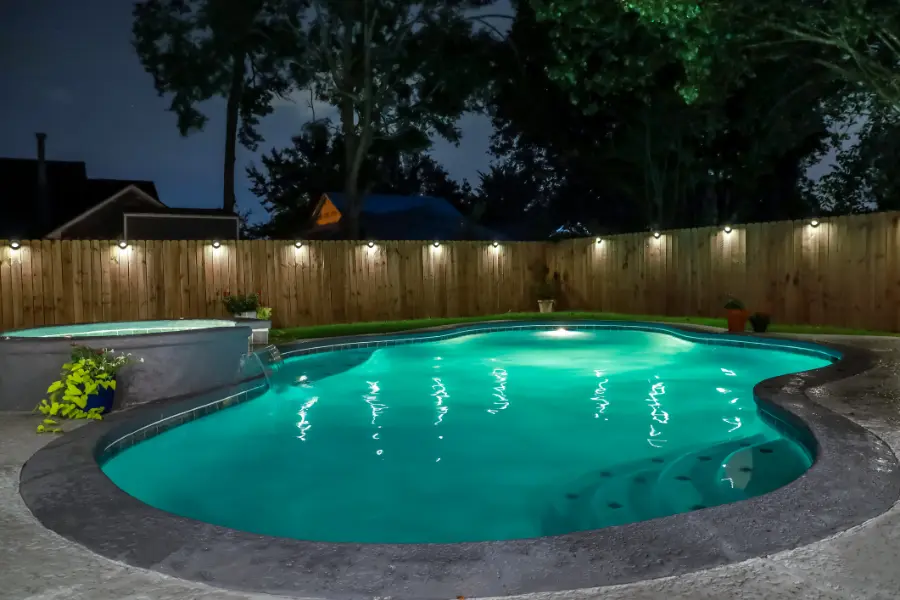
Pool lights usually stop working because of a bad bulb, a tripped breaker, a faulty GFCI outlet, loose wiring, water inside the fixture, or an old transformer. In some cases, the switch works on and off for a while before the light quits fully. If your pool lighting stops working, start with the power source and simple safety checks before thinking the whole system has failed.
Quick Diagnosis Summary
Most pool light problems come from power loss or worn parts. The light may not turn on at all, it may flicker, or it may trip the breaker every time you use it. A single bad part can shut down the whole light. In other cases, the trouble is hidden behind the niche, junction box, or transformer. Some systems also connect to other outdoor electrical and service category controls, which can make the issue harder to spot.
Common Symptoms
The way the light fails can give you a clue about the cause. A light that suddenly goes dark is often linked to power loss or a burned-out bulb. A light that flickers may point to a loose connection or water damage. A light that trips the breaker may signal a short, damaged wire, or moisture where it should not be.
- The light does not turn on at all
- The light flickers or dims
- The breaker trips when the light switch is used
- The light works sometimes, then stops
- The fixture has fog or water inside
- The switch feels loose or worn out
Likely Causes
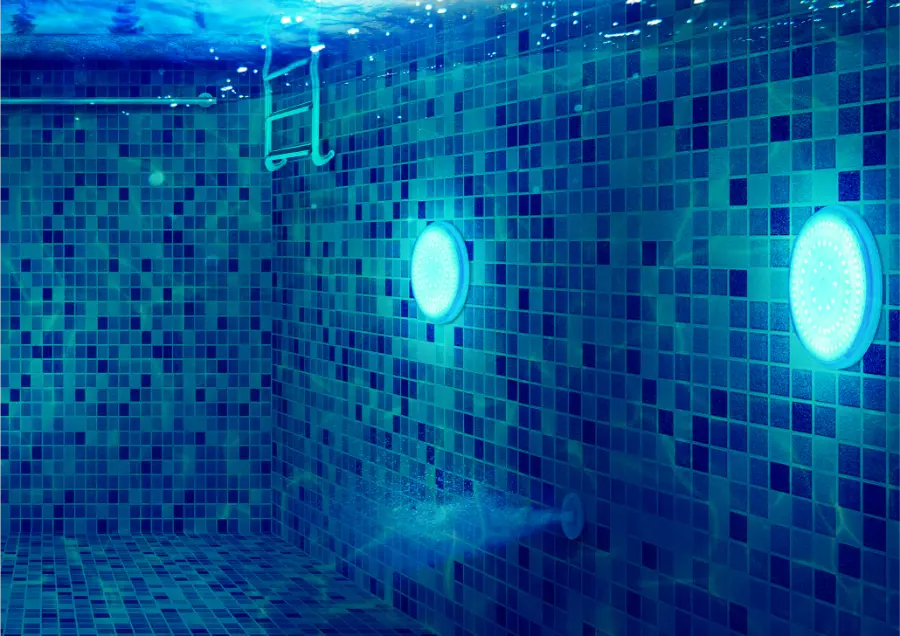
One of the most common causes is a burned-out bulb. Pool lights work in a wet, hot, and sealed space, so bulbs do not last forever. If the bulb is old, it may simply need replacement. Another common problem is a tripped breaker or GFCI outlet. This can happen after a storm, power surge, or water leak.
Water inside the fixture is another frequent issue. Pool lights are made to stay sealed, but gaskets wear down over time. Once water gets in, corrosion can damage the bulb socket and internal parts. Loose wiring is also a major cause. Wires can shift from age, vibration, or past repair work. If your system uses a transformer, that part can fail too, especially on low-voltage pool lighting setups.
Sometimes the problem starts at the switch or timer. A switch may look fine from the outside but fail inside. Timers and automation panels can also stop sending power to the fixture. If the light is older, the full fixture may be near the end of its life.
What to Check First
Start with the safest and easiest items. Never reach into the water or open electrical parts without shutting off power first. Pool light systems mix water and electricity, so simple caution matters.
- Check if the breaker has tripped
- Test the GFCI outlet and press reset if needed
- Try the wall switch more than once
- Look at the timer or control panel settings
- Check whether other outdoor lights have power
- Look for signs of water inside the fixture
- Note flickering, buzzing, or breaker trips
If the breaker trips again right away, stop there. That often means a short or moisture problem. Resetting it over and over is not a good idea. It can make the issue worse and create a safety hazard.
Safe Fixes Vs Pro-Level Fixes
Some fixes are simple and safe for a homeowner. Resetting a GFCI, checking the timer, or confirming the switch position are good first steps. If the bulb is easy to access and the power is fully off, some people replace it. Still, pool lights are not like indoor lamps. The fixture must stay sealed, and the gasket must be in good shape.
Pro-level repairs include testing voltage, opening the fixture, replacing the gasket, repairing wiring, changing the transformer, or tracing a short in the line. These jobs need the right tools and safe electrical work. If water got inside the light, if the breaker keeps tripping, or if the wire is damaged, it is smart to have a trained technician inspect it.
Prevention Tips
You can lower the chance of future light failure with regular checks. Watch for small warning signs instead of waiting for full failure. A flicker today can turn into a dead fixture next week.
- Replace worn gaskets when bulbs are changed
- Do not ignore fog or water inside the lens
- Have old wiring checked before it fails
- Keep timers and controls in good shape
- Ask for an inspection if breakers trip often
- Use the correct bulb and voltage for the fixture
It also helps to keep records of past repairs. If the same issue keeps coming back, the problem may be deeper than the bulb. Replacing one part again and again will not fix a bad wire or failing transformer.
Final Recommendation
If your pool lighting has stopped working, begin with the easy checks and pay attention to warning signs like flickering, water in the fixture, or repeated breaker trips. Those clues often point to the real fault. In Torrance, CA, changing weather and outdoor wear can speed up electrical problems around the pool. At JC Swimming Pool & Spa Service, we can inspect the system, find the cause, and help you choose a safe repair path. Call us at (310) 951-9631 if you want a clear next step.